
Tech-Assisted Patent & Trade mark Analytics: Who Controls the Future of IP Intelligence? by Kushraj Singh Jaoli


Tech-Assisted Patent & Trade mark Analytics: Who Controls the Future of IP Intelligence? by Kushraj Singh Jaoli, Senior Legal Correspondent for Northon’s Media PR & Marketing, United Kingdom.
In the IP Tech & Innovation Services Annual, Kushraj Singh Jaoli, Senior Legal Correspondent at Northon's Media PR & Marketing, United Kingdom, explores how artificial intelligence is transforming patent and trade mark analytics from traditional search tools into sophisticated intelligence systems. As AI becomes increasingly embedded in IP workflows, the article examines how data, machine learning, and regulatory developments are reshaping the future of intellectual property intelligence.
The Rise of Modern IP Intelligence
Patent and trade mark analytics have evolved far beyond simple search capabilities. Modern IP platforms now analyse global filings, legal status data, prosecution histories, litigation records, market signals, and portfolio information to generate strategic recommendations that increasingly influence innovation decisions.
The article argues that controlling IP intelligence increasingly means influencing which technologies appear valuable, which markets seem attractive, and where organisations choose to invest their innovation efforts.
The Technology Behind AI-Driven Analytics
Kushraj explores the technologies powering modern IP intelligence platforms, including global data normalisation, entity resolution, semantic search, graph analytics, multilingual translation, and multimodal trade mark similarity analysis. These capabilities enable organisations to identify prior art, uncover innovation white space, analyse ownership structures, and improve clearance decisions with greater speed and accuracy.
The article also highlights how domain-specific AI models and high-quality training data have become critical competitive differentiators.
Data, Regulation and Competitive Advantage
Beyond technology, the article examines how access to proprietary datasets, AI model performance, and regulatory compliance are becoming the three defining factors shaping the future of IP intelligence platforms. Recent legal developments surrounding AI training data, copyright, and fair use are influencing how organisations acquire, manage, and deploy AI systems across the IP ecosystem.
Emerging Markets and the Global Adoption Challenge
As global patent activity continues to grow, emerging markets represent the next major opportunity for IP technology providers. However, challenges including multilingual data, inconsistent legal status information, infrastructure limitations, and affordability continue to influence adoption. The article argues that future IP platforms must deliver transparent, accessible, and locally relevant solutions capable of supporting innovation across diverse jurisdictions.
Ethics, Bias and Responsible AI
A significant focus of the article is the role of fairness and bias within AI-powered IP analytics. Historical datasets, language limitations, and uneven global representation can all influence the recommendations generated by AI systems. Kushraj highlights the importance of explainability, human oversight, transparent evaluation, and auditable data provenance to ensure AI supports equitable and trustworthy decision-making across the global IP ecosystem.
Policy Will Shape the Next Generation of IP Technology
The article also examines how evolving AI policies from organisations such as the USPTO, the European Union, and WIPO are influencing invention disclosure, copyright compliance, AI governance, and responsible deployment. As regulation evolves, governance, transparency, and compliance are becoming just as important as technical capability.
Conclusion
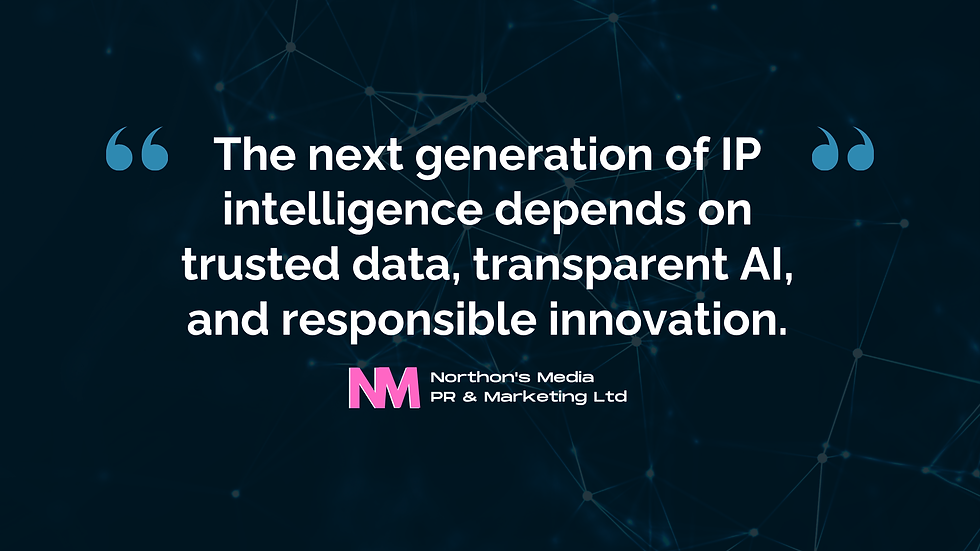
As AI continues to reshape intellectual property, the future of IP intelligence will depend on more than advanced technology alone. Kushraj Singh Jaoli highlights that organisations capable of combining trusted data, transparent AI, responsible governance, and global accessibility will be best positioned to lead the next generation of innovation and IP decision-making.
Read the full article in the inaugural edition of the IP Tech & Innovation Services Annual to explore how AI-powered patent and trade mark analytics are transforming the future of intellectual property intelligence and innovation strategy.


Comments