
Cloud Based Vs Traditional IPR Systems:

Which Holds the Edge?
The criticality of systems used to manage Intellectual Property systems has grown in direct proportion to the size and complexity of IPR portfolios. Law firms and in-house teams now face a key decision: whether to continue with traditional, on-premise IP management systems or transition to cloud-based platforms. Each approach affords specific advantages, but the industry’s direction is becoming increasingly clear[1].

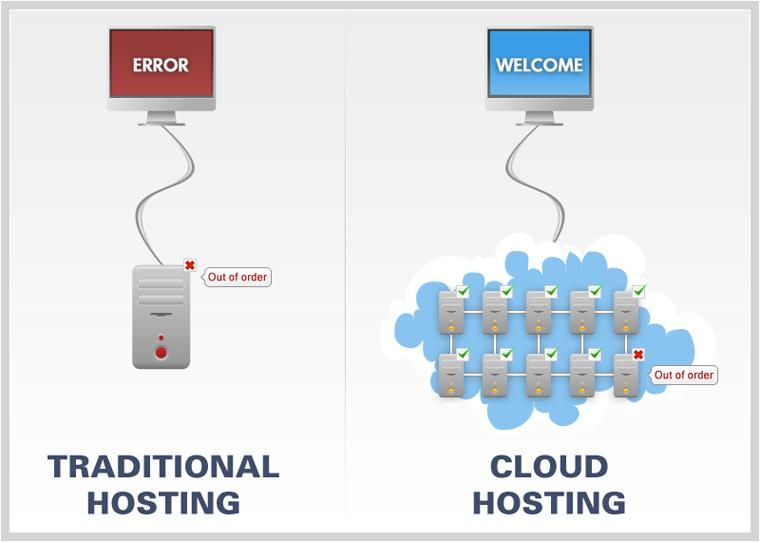
Traditional IP systems, typically hosted on local servers, were originally valued for their control and personalisation. The on-premise systems give organizations full control over their data storage, which is appealing for those with established IT departments and strict regulatory or client requirements. However, these systems also require ongoing maintenance, manual updates, and significant upfront investment. Flexibility also became a bother as portfolios expanded or teams operated across multiple jurisdictions.
Cloud-based IP systems, on the other hand, are designed for flexibility, accessibility, and efficiency. Hosted on secure remote servers, these platforms allow users to access their data from any location of their choice, enabling integrated collaboration between global teams[2]. Updates are automatic, lightening the load on internal IT resources, and implementation is typically faster and more cost-effective. As remote and hybrid working models become the norm, this level of accessibility is a necessity as opposed to a luxury.
Security, once a primary concern for cloud adoption, has significantly evolved. Leading cloud providers now offer enterprise-grade security, including encryption, multi-factor authentication, and seamless monitoring, often regularly surpassing what many organisations can maintain internally. This recast has increased assurance among even the most risk-averse firms.
Despite these edges, the transition to cloud brings its own challenges. Data migration, user training, and integration of existing systems require meticulous planning. For some firms, particularly those with highly customised legacy systems, the shift may involve a period of adjustment.
The choice between cloud-based and traditional IP systems depends on each organisation’s needs, but the industry's direction is clear: cloud platforms are rapidly emerging as the preferred, flexible solution for global IP management[3].
References :
[1] (February 6, 2025). Cloud Managed Services Industry & Strategic Analysis Report 2025: Growing Cloud Adoption Across Enterprises Propels Demand at 8.8% CAGR to 2030. Research and Markets. https://www.globenewswire.com/news-release/2025/02/06/3021840/28124/en/Cloud-Managed-Services-Industry-Strategic-Analysis-Report-2025-Growing-Cloud-Adoption-Across-Enterprises-Propels-Demand-at-8-8-CAGR-to-2030.html
[2] Online Data Room Review - The Looking Glass Design https://www.tlgd.co.uk/online-data-room-review-2/ [3] (January 29, 2026). Cloud Management Platform Research Report 2026 - Global Market Size, Trends, Opportunities, and Forecasts, 2021-2025 & 2026-2031. Research and Markets. https://www.globenewswire.com/news-release/2026/01/29/3228805/28124/en/Cloud-Management-Platform-Research-Report-2026-Global-Market-Size-Trends-Opportunities-and-Forecasts-2021-2025-2026-2031.html


Comments